

How Emotional Support Dogs Can Help Deaf and Hard-of-Hearing Children with Emotional and Behavioral Issues
Dan Miller, Marketing Manager at Fast ESA Letter, is a contributing writer for Your Hearing Dog Inc. blog. Fast ESA Letter serves as a platform for obtaining Emotional Support Animal (ESA) and Psychiatric Service Dog (PSD) letters online. Built on the belief that mental and emotional well-being should be within everyone’s reach, Fast ESA Letter has helped thousands of individuals access professional support and housing rights without unnecessary stress or confusion.
Ever wondered how life can be a little difficult when a child is deaf or hard-of-hearing (DHH)? Sounds that are taken for granted by everyone, such as doorbells, timers, or even name-calling, are precious to them.
But beyond practical challenges, many DHH children struggle with emotional or social issues, often feeling isolated, misunderstood, anxious, or frustrated. This is where an emotional support dog can make a difference in their world.
A Friend Who Can Sense Your Emotion
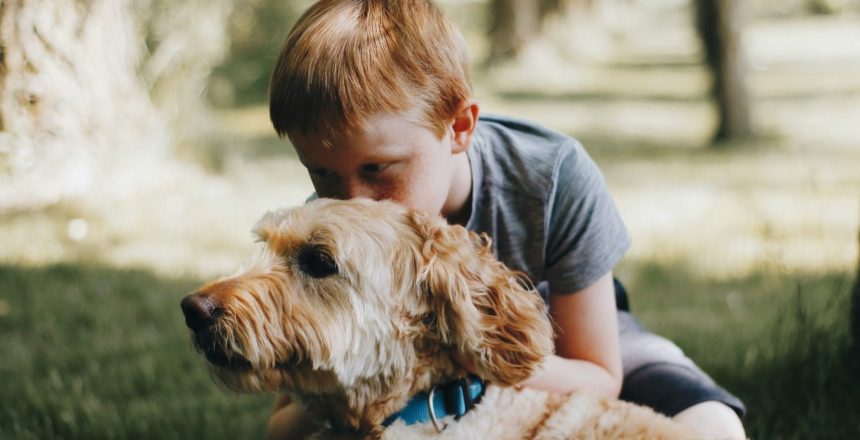
To a child coping with hearing loss, that non-judgmental companionship becomes priceless. Emotional support animals (ESAs) are known to provide comfort, reduce stress, and create a sense of safety and connection, especially for individuals dealing with anxiety or depression.
For many DHH children, a dog becomes a steady friend during times when communication feels hard. Petting or cuddling a dog can help release oxytocin, a “feel-good” hormone, which lowers stress and boosts emotional bonding.
That calming presence can mean the difference between a child turning inward in frustration and a child feeling seen, safe, and valued even when they struggle to express themselves verbally.
Emotional Regulation Through Routine Care
Routine care such as feeding, bathing, and playing, gives children a sense of responsibility. Especially for DHH kids, this routine practice builds structure and regulates their emotions.
An organization noted that interaction with animals improves behavioral skills, supports sensory needs, and even builds self-advocacy. Additionally, consistent care for another living being can boost a child’s self-esteem and sense of worth.
Less Isolation and More Connection
Isolation and loneliness often go hand in hand with hearing loss. DHH kids may feel “different,” left out of conversations, or disconnected from classmates who don’t understand their world. A dog bridges some of that gap.
Beyond just being a pet, a dog can be like a social bridge, a conversation starter, a trusted companion, and a source of comfort when words fail. Emotional support or therapy animals have been shown to help children with special needs such as neurodiversity, behavioral issues, and emotional challenges by offering stability, nonverbal support, and unconditional acceptance.
When Tech Can’t Do It All
Yes, technology has come a long way. Hearing aids and cochlear implants can help many. But they are not a complete solution. Even with assistive devices, children may still feel overwhelmed, misunderstood, or emotionally vulnerable.
In fact, studies show that assistance dogs for people with hearing impairment, often called “hearing dogs,” can help not only with alerting to sounds, but also with psychosocial benefits that include companionship, a sense of safety, reduced stress and anxiety, and decreased social isolation.
For a child, having a calm, loving companion, one who doesn’t rely on hearing, doesn’t get frustrated by communication gaps, and simply offers affection can be deeply reassuring. The dog doesn’t just “help;” they provide comfort, consistency, and emotional grounding.
Hope, Stability, and Childhood Joy
Imagine a child waking up in the morning, unsure if someone rang the doorbell overnight, but feeling the soft nudge of their dog, a silent alert that brings awareness and comfort. Or coming home from a difficult day at school and having a furry friend who doesn’t ask questions but offers warmth, companionship, and calm.
This emotional safety can lead to fewer meltdowns, lower anxiety, better social interaction, and even improved behavior. Over time, that steady support can build resilience, confidence, and a stronger sense of belonging.
Of course, an emotional support dog (or therapy dog) should never be seen as a magic cure, but rather a gentle, loving support system that helps a DHH child navigate emotional and behavioral challenges with more ease.
To learn more about Fast ESA Letter, visit https://fastesaletter.com/.
- Tags: Children, Deaf and Hard of Hearing, Emotional Support Dogs, Fast ESA Letter